Feeding basics that support long-term health
Choose food based on life stage, activity level, body condition and individual sensitivities. A balanced routine matters more than chasing every food trend.



Make feeding decisions with more confidence. Learn how ingredients, portions, treats and daily routines work together to support healthy dogs and cats.
Good nutrition is one of the most important daily choices a pet parent makes. This guide helps you understand food labels, meal routines, body condition, treats and digestion in plain language.
Use these resources to make calmer feeding decisions for dogs and cats, then speak with your veterinarian when your pet has allergies, weight changes, chronic illness or ongoing digestive symptoms.
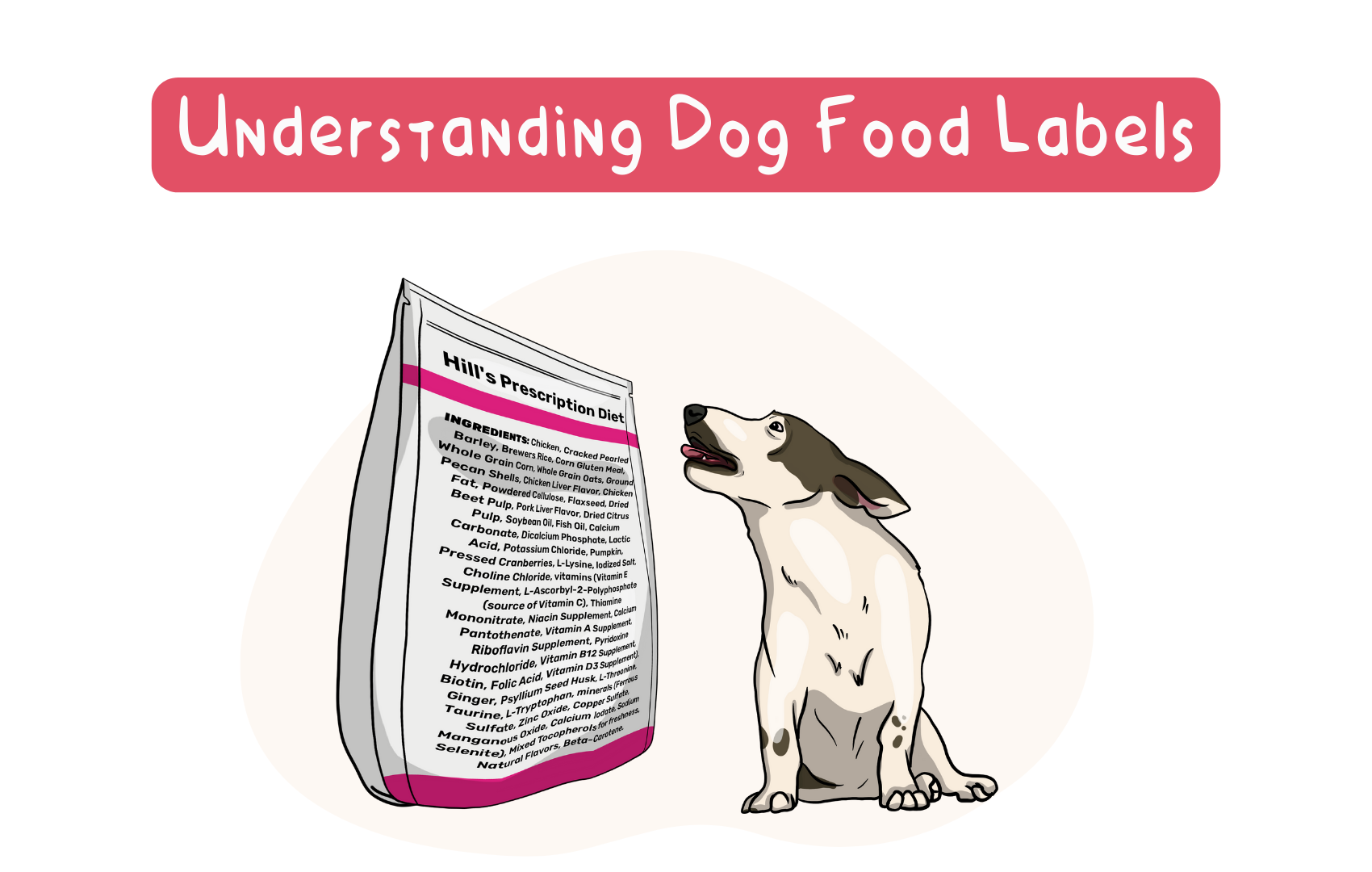
Understand ingredient lists, guaranteed analysis and front-of-pack claims without getting lost in jargon.

Build meal routines around age, size, activity level, body condition and your pet's individual needs.

Use simple visual and hands-on checks to keep weight goals realistic and feeding amounts consistent.

Spot common feeding triggers, transition foods gradually and know when digestive changes need advice.

Choose rewards that support training and enrichment while still fitting into the daily food plan.
A focused guide for choosing food, reading labels, managing portions and creating calmer feeding routines at home.

Choose food based on life stage, activity level, body condition and individual sensitivities. A balanced routine matters more than chasing every food trend.
Treats are helpful for training and bonding, but they should stay intentional. Small rewards, praise and play can all reinforce good behavior.
Repeated vomiting, diarrhea, itchy skin, sudden weight change or poor appetite should be discussed with a veterinarian before major diet changes.