Treats for training
Soft, small rewards work well because pets can eat them quickly and return attention to the lesson. Timing matters more than treat size.



Treats can support training, bonding and enrichment when they are chosen thoughtfully. Learn what to check before offering snacks or chews.
Treats and chews can support training, dental routines, enrichment and bonding when they are chosen carefully. The right choice depends on ingredients, size, texture, chewing style and supervision.
This page helps pet parents choose rewards that feel enjoyable without quietly replacing balanced meals or creating avoidable safety risks.

Look beyond flavor and choose treats with clear ingredients that suit your pet's size and sensitivities.
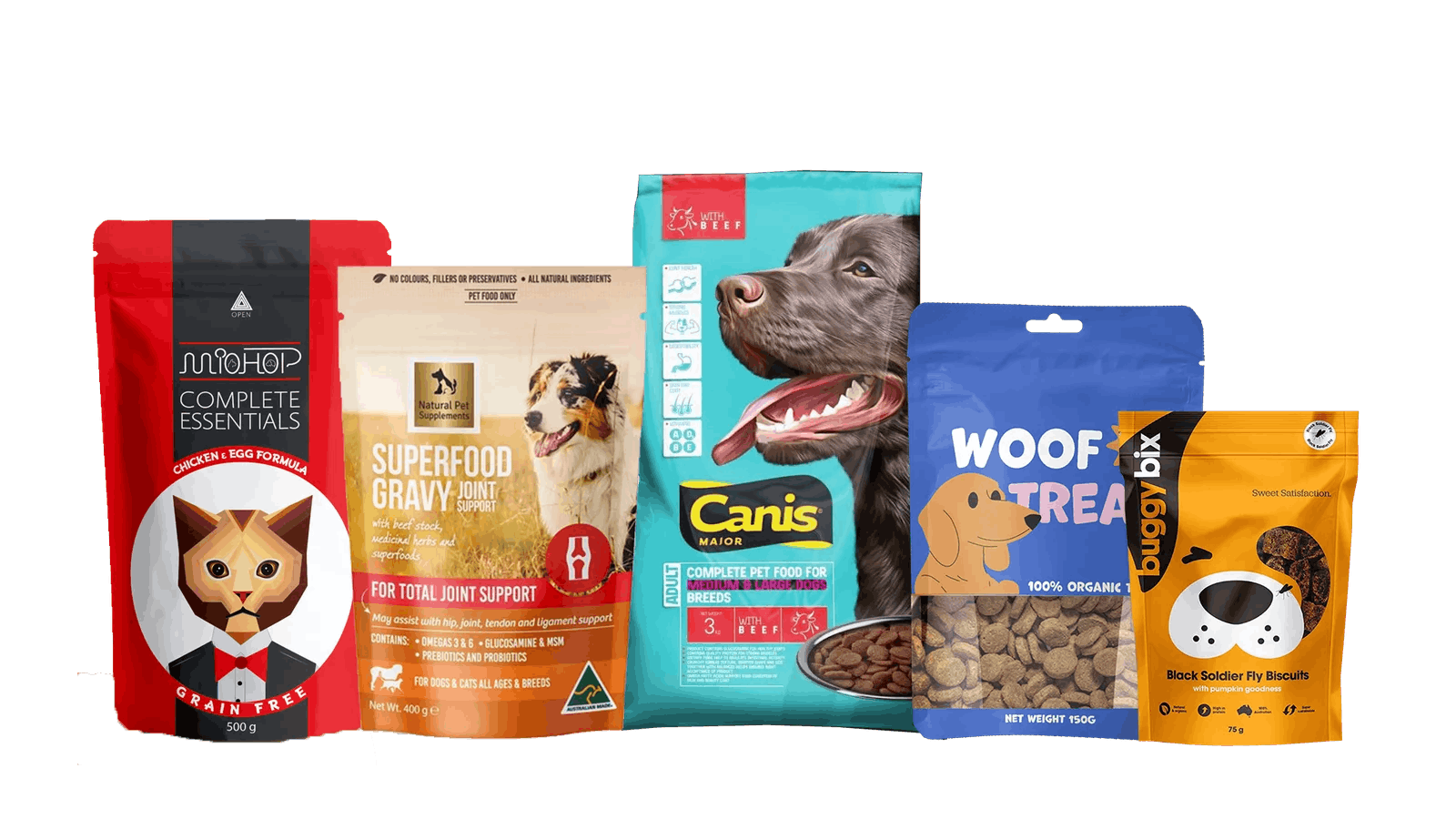
Match chews to chewing style, supervise new items and remove small pieces before they become risky.

Use tiny, high-value rewards at the right moment to make learning clearer and faster.

Turn treat time into calm activity with puzzle feeders, sniffing games and slow reward routines.

Keep treats as a small part of the day so rewards do not quietly replace balanced meals.
A practical guide to safer chewing, smarter rewards and treat routines that support health as well as happiness.

Soft, small rewards work well because pets can eat them quickly and return attention to the lesson. Timing matters more than treat size.
Chews can provide calm activity, but they should match the pet. Strong chewers, gulpers and pets who guard items need extra care.
Look for clear ingredients and avoid treats that trigger itching, digestive upset or excessive thirst in your pet.